Local Resources for Seeking Help / Encontrar Ayuda
January 13, 2021 – 7 min read
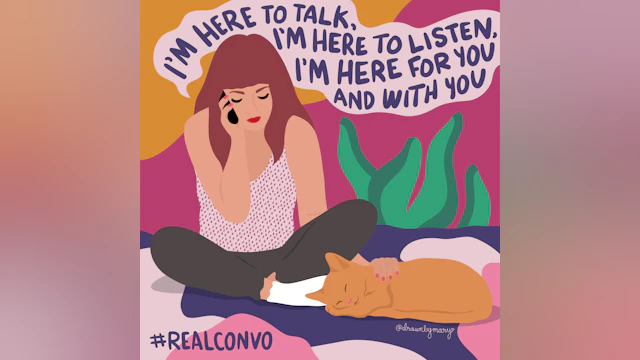
If you or someone you know is looking for support, this information may help.
- AFSP does not provide medical, mental health, or crisis response services. Nor do we endorse, recommend, or refer individuals to specific businesses, organizations, or providers. You can find a list of official AFSP partners here.
- Visit our Local Resources for Loss Survivors webpage for additional resources and support for individuals who have lost a loved one to suicide.
- If you have recommendations for resources to include on this website, please reach out to us at [email protected].
National Resources
- Visit afsp.org/GetHelp for a comprehensive list of national resources for anyone seeking support.
- If you are in crisis, please contact the Suicide & Crisis Lifeline at 988 or the Crisis Text Line by texting "TALK" to 741741.
National Capital Area Resources
Behavioral Health Care
- Inova Behavioral Health Services offers comprehensive care for mental health and substance use conditions, including inpatient and outpatient behavioral healthcare across Northern Virginia.
- Inova Psychiatric Assessment Center - An Urgent Care Clinic is an immediate care, behavioral health only clinic.
- Children's National Psychology and Behavioral Health: Provides behavioral health services for children dealing with emotional, psychological or behavioral challenges, and their families.
-
Dominion Hospital: A free-standing mental health facility in Northern Virginia that provides inpatient and outpatient clinical services to children ages 5-12, adolescents ages 13-17, and adults ages 18+.
- George Mason University's Center for Psychological Services (CAPS) offers an Emotional Support Line, available 8:30 am - 8:30 pm at 703-215-1898 for free and confidential support as well as low-cost therapy sessions upon request.
- La Línea de Apoyo Emocional (703-914-3878) en español está disponible los 7 días de la semana de las 8 de la mañana a las 8 de la noche. La línea telefónica es gratuita, anónima y confidencial.
- Hazel Health offers virtual mental health services to Fairfax County Public Schools (FCPS) high school and middle school students.
Community Organizations
- Suicide Prevention Alliance of Northern Virginia (SPAN) is a regional coalition of the Alexandria, Arlington, Fairfax-Falls Church, Loudoun, and Prince William Community Services Boards (CSBs) and community partners, all working together to raise awareness and share resources to prevent suicide.
- Fairfax - Falls ChurCh Community Services Board (CBS) provides lifesaving services for people experiencing mental health concerns, substance misuse and/or developmental disabilities.
- HopeLink: HopeLink is a nonprofit providing behavioral health, crisis, and suicide intervention services. We seek to change and save lives in our community by empowering hope, safety, recovery, wellness, independence and community integration.
- National Alliance on Mental Illness (NAMI) is dedicated to building better lives for the millions of Americans affected by mental illness. Their Alliance includes more than 650 NAMI State Organizations and Affiliates who work in your community to raise awareness and provide support and education to those in need. Visit their website (linked above) to find your local chapter.
- Suicide Prevention Resource Center advances effective suicide prevention nationwide through free consultation, training, and tools for community organizations and coalitions; workplaces; state and Tribal leaders; health/behavioral health systems; professionals and professional education programs; and national public and private partners. SPRC is supported through a grant from the U.S. Department of Health and Human Services Substance Abuse and Mental Health Services Administration (SAMHSA).
- Asian/Pacific Islander Domestic Violence Resource Project (DVRP) provides services to survivors of domestic violence in Washington DC, Maryland and Virginia. They are an organization that was founded by survivors and continues to be survivor-led and driven.
- Korean Community Service Center of Greater Washington is a non-profit organization serving the metropolitan DC area, with a mission to assist and empower Asian Americans and new immigrants to become well-adjusted and fully contributing members of the United States through social services, education, advocacy, and development of resources.
- Haven of Northern Virginia is a non-profit, non-sectarian community organization of trained volunteers that offers grief support to the bereaved, the seriously ill, the dying and to their families and friends.
- Second Story for Teens in Crisis (SSTC) offers an emergency home for young people in crisis ages 13 to 17 years old. It’s the only safe haven of its kind in the Northern Virginia region.
- Virginia Partnership for Gaming and Health (VPGH) is Virginia’s state-supported leader in problem gambling awareness, treatment, and recovery. VPGH serves to centralize treatment and peer recovery services for Virginia residents in need of therapeutic support. As gambling expands, VPGH ensures that help, hope, and evidence-based care expand with it, so every Virginian has access to treatment. Recovery is possible and help is available!
- Formed Families Forward is a family-led nonprofit organization dedicated to supporting foster, kinship, and adoptive families of children and youth with disabilities and other specialized needs. We offer critical resource tools to empower families to advocate for better special education, behavioral health and other services for the children in their care. Services to Northern Virginia parents, caregivers and family-serving professionals include training and events, peer supports, resource navigation and parenting and youth classes.
-
Parents and Friends of Lesbians and Gays (PFLAG) helps keep families together and promotes equality and the well-being of lesbian, gay, bisexual, transgender, queer, and questioning (LGBTQ) people and their families through support, education, and advocacy. Visit their website (linked above) to find your local chapter.

D.C. Residents
- Visit answersplease.dc.gov to search for local resources. Simply enter your zip code and key words describing what you are looking for. For example, “Mental Health” or “Mental Health Services”.
- Go to dbh.dc.gov for information about the resources available through the D.C. Department of Behavioral Health, including this list of community-based service providers, behavioral health services for adults and children/families.
- Contact the ACCESS Helpline at 1-888-793-4357 to speak with a behavioral health professional who can help you navigate available services.
- Contact the 24/7 Children and Adolescent Mobile Psychiatric Service (ChAMPS) at 202-481-1440, which provides on-site immediate help to children facing a behavioral or mental health crisis whether in the home, school or community. Services are geared toward children and youth 6-21 years of age.
Alternatives for Urgent Care
- Call the 24/7 D.C. DBH Community Response Team (CRT) at 202-673-6495 for 24-hour services available to those experiencing psychiatric emergencies, trauma, or signs of mental health and substance use disorders.
- Call the ACCESS Helpline at 1-888-793-4357 to reach the mobile crisis service

Virginia Residents
- Visit 211virginia.org to search for local resources. Simply enter your zip code and key words describing what you are looking for. For example, “Mental Health” or “Mental Health Services”.
- Go to dbhds.virginia.gov for information about the resources available through the Virginia Department of Behavioral Health.
- You can find information about your local Community Services Board (CSB) on the VA Department of Behavioral Health website and the Virginia Association of CSBs website. Find your nearest CSB here. CSBs provide services for those with mental health conditions, substance use disorders, and developmental disabilities. Services are available to local residents, providing care for those both with and without health insurance.
Additional Resources for Urgent Care
In the case of a dangerous or life-threatening emergency, call 911. Let the dispatcher know you are calling for a mental health crisis and request a CIT-trained officer.
Alexandria
- Call the 24/7 Alexandria Emergency Services Line at 703-746-3401 to connect with a clinician
- Walk-in Emergency Services at the Alexandria Community Mental Health Center
Arlington
- Call the 24/7 Arlington Emergency Services Line at 703-228-5160 (available to anyone living, working, or visiting Arlington)
- Receive Same Day Access mental health services
Fairfax/Falls Church
- The Merrifield Crisis Response Center operates 24/7 for behavioral health-related emergencies (must be residents of Fairfax County, Fairfax City, and Falls Church)
- Fairfax Mobile Crisis Unit operates 8am to midnight for individuals in crisis who are unable or unwilling to seek medical care (must be residents of Fairfax County, Fairfax City, and Falls Church)
Loudoun
- Call the 24/7 Loudoun Emergency Services Line at 703-777-0320 to reach the Crisis Intervention Team (CIT)
Prince William/Manassas
- Call the 24/7 Prince William area Emergency Services Lines at 703-792-7800 (Mannassas) or 703-792-4900 (Woodbridge)
All Northern VA Localities
- Visit the Community Regional Crisis Response (CR2) website to request information or call the 24/7 crisis line at 844-627-4747
- Crisis services through REACH are available to individuals with developmental disability and co-occurring mental health condition(s) and/or significant challenging behaviors
Find a Mental Health Professional
A mental health professional is someone who can help people get relief from mental health conditions, and find ways to improve mental wellness and resiliency. They may be a psychiatrist, psychologist, social worker, marriage and family therapist, psychiatric nurse, or counselor with mental health training. While AFSP does not endorse or recommend specific professionals, there are a number of ways to find care:
- Ask your doctor for a recommendation
- Ask other survivors at support groups if they have had good experiences with any local mental health professionals
- College students can visit on-campus counseling centers or health centers, even a guidance counselor
- Contact the Department of Psychiatry at a local university or hospital
- Visit and/or call the following:
- Visit the SAMHSA Behavioral Health Treatment Services Locator
- Visit the Pyschologist Locator or call 800-964-200 (8:30am - 5:00pm ET) to find nearby psychologists through the American Psychological Association
- Visit the Psychiatrist Finder to search for psychiatrists in your area through the American Psychiatric Association
- Contact the American Psychiatric Association ([email protected]) or call 888-357-7924 (press 0 to speak with a customer service representative)
- Visit the Psychology Today Therapist Finder
- Visit Mental Health America - Mental Health Help for more helpful links and searches, or call 1-800-969-6642
- Visit the HelpPRO Suicide Prevention Therapist Finder
- Visit your local Department of Behavioral Health Services website for information about available services (this includes publicly-funded resources)
You may also want to check out AFSP's website for additional general resources as well as information about mental health resources for underrepresented communities