Skip to content

Research / Funded grants

2021 Young Investigator

Development of a Decision Aid to Prevent Firearm Suicide Among Older Adults with Mild Cognitive Impairment/early Dementia

1 research finding from this AFSP-funded study.

Research finding · August 2026

Trusted messengers and tailored communication can strengthen firearm safety conversations with older adults

Older adults have a particularly high rate of firearm suicide, yet far less is known about how to discuss firearm safety with them in ways that feel respectful, credible, and useful. This question is especially important for older adults living with depression or early cognitive changes, which may affect judgment, memory, or the ability to respond safely during periods of distress. Although safer storage, temporary transfer, or relinquishment can reduce access when a firearm poses a risk, these conversations may be ineffective when they rely on unfamiliar terminology, overlook why someone owns a firearm, or fail to address practical questions about cost, storage options, and local transfer laws. Learning directly from older firearm owners can help shape prevention efforts that protect safety without dismissing autonomy, experience, or personal values.

With her AFSP-funded grant, Dr. Laura Prater and colleagues conducted in-depth interviews with 20 firearm-owning adults age 60 and older from the Washington, Wyoming, Alaska, Montana, and Idaho region who had depression, mild cognitive impairment, or both. Participants were open to firearm safety counseling, but emphasized that the message and messenger matter. They preferred information delivered by trusted and knowledgeable people, including healthcare providers, law enforcement officers, and fellow firearm owners, and wanted personal stories paired with clear statistics and technical facts.

Participants also asked for practical comparisons of storage methods, including cost and effectiveness, as well as guidance on how to safely transfer, sell, or relinquish a firearm when needed. Accurate terminology, balanced language, and review by people with firearm experience were seen as essential to maintaining trust. Video was viewed as an acceptable and often appealing way to deliver information. These findings informed the development of the Making Informed Choices decision aid and offer a practical roadmap for helping health systems and community partners engage older firearm owners in conversations that are credible, collaborative, and focused on keeping people safe.

Citation: Prater LC, Ross R, Cole AM, et al Trusted voices and tailored messaging: public health approaches to firearm safety for older adult firearm owners in the Washington, Wyoming, Alaska, Montana and Idaho (WWAMI) region Injury Prevention Published Online First: 06 July 2026. https://doi.org/10.1136/ip-2025-046080

This finding comes from an AFSP-funded study — see the grant below ↓
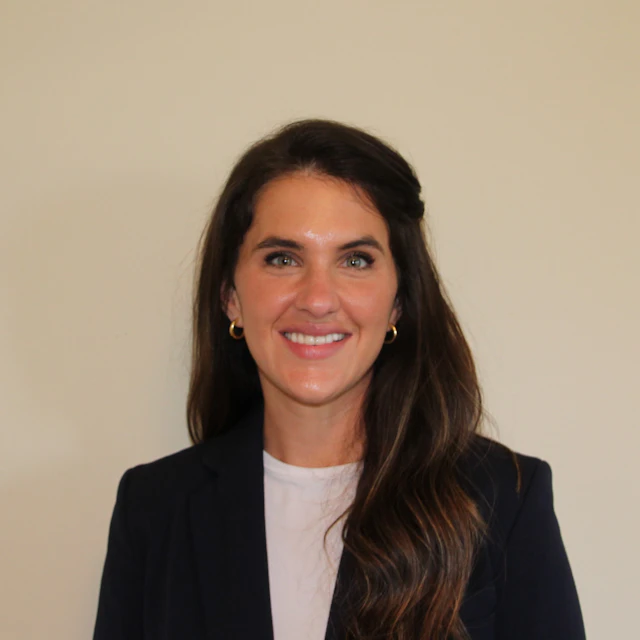
The grant behind this work · 2021 Young Investigator

Development of a Decision Aid to Prevent Firearm Suicide Among Older Adults with Mild Cognitive Impairment/early Dementia

Laura Prater, Ph.D., MPH

Laura Prater, Ph.D., MPH

University of Washington

Mentor: Marian Betz, M.D., MPH

Amount awarded
$90,000
Focus area
Clinical Treatment, Psychosocial

Inside the Research

Serious health concerns are a known risk factor for suicide, and dementia is a major source of health-related disability among older adults. Little is known about suicidal desires and behaviors among older adults with dementia or cognitive impairment. We do know that many deaths by suicide among older Americans involve firearms. Using qualitative interviews of patients, family caregivers and health care providers, we will learn about decision-making needs to support the development of a firearm safe storage decision-making tool for use in a clinical setting.

Full scientific abstract

Considered a national epidemic, suicide is the 10th leading cause of death in the United States. In the decade for which data are most recently available (2008-2018) 60,342 older adults died from firearm injuries, with 93% attributable to suicide. The risk of firearm suicide is highest for people over the age of 55 and has increased by 23% since 2000. Suicide is not only a problem among older adults, but also among those with cognitive impairment. One study reported that those with dementia were 3 times more likely to die by suicide compared to those without dementia after accounting for psychiatric diagnoses. The diagnosis of a medical illness represents a period of especially high suicide risk. The Interpersonal Theory of Suicide identifies thwarted belongingness and feelings of being a burden as key mechanisms through which suicidal desire arises. pwMCI/early dementia face a diagnosis of physical illness, which may increase perceptions of being a burden, potentially increasing the occurrence of suicidal desire and behavior. Dementia is fundamentally different than most other physical illnesses because it involves the gradual loss of cognitive functioning and can make activities of daily life much more challenging. The connection between perceived burdensomeness and risk of suicidal desire/behaviors has not been explored among pwMCI/early dementia; it is critical to understand this potential pathway so we can better assess risk among this vulnerable group. Prevention activities may also need to be tailored for pwMCI/early dementia, as it is unclear how they wish to be involved about decisions regarding firearm access, a major risk factor for suicide. To fill these gaps in the literature, we are proposing two achievable aims to develop formative data on the problem and to develop a decision aid to address the problem of suicide risk among pwMCI/early dementia. In Aim 1, we will conduct qualitative interviews of decision-making triads - patients, caregivers/family members, and physicians - to explore decision-making processes among such triads. We will also explore components of the Interpersonal Theory of Suicide to explore how constructs manifest for pwMCI/early dementia. In Aim 2 we will use this data to adapt components of the Ottawa Decision Support Framework into a prototype of a decision aid to address firearm storage tailored to the pwMCI/early dementia. Work from these Aims will form a foundation of evidence for the development of a tool to be implemented in outpatient settings to help prevent firearm suicide among older adults with a diagnosis of MCI/early dementia. The long-term goal of this program of research is to widely implement a decision aid in a network of clinics to make a marked reduction in firearm suicide among older adults, particularly those with cognitive decline.

More funded research

See all grants →

2026 Early Career Researcher Grant

Analyzing the Impact of Companion Dogs as a Protective Factor for Prevention of Suicidality in Veterans

Leanne Nieforth, Ph.D. · $140,000

2026 Early Career Researcher Grant

Future-Oriented Mental Imagery and Adolescent Suicide Risk

Ki Eun Shin, Ph.D. · $140,000