Research / Funded grants
2022 Linked Standard Research Grant
Identifying and Understanding Suicides That Take Place During Encounters With Police

Deborah Azrael, Ph.D.
Harvard University
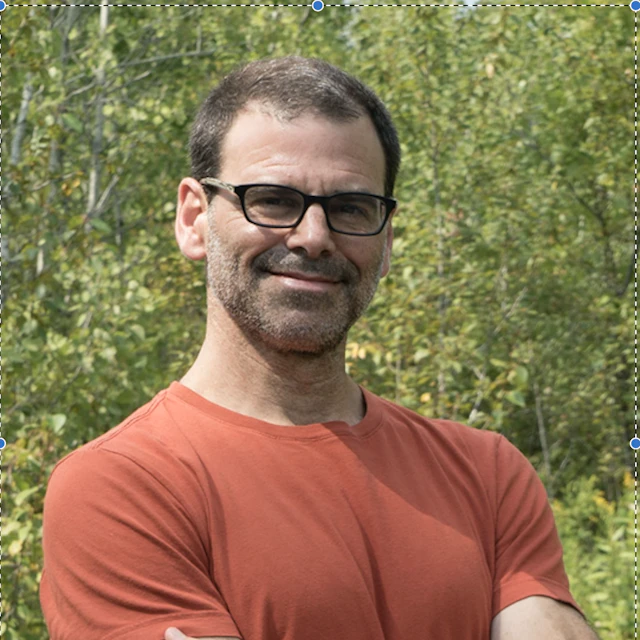
Matthew Miller, Sc.D., MPH
Northeastern University
$448,063 Focus area
Psychosocial Awarded
2022
Inside the Research
Hundreds of people in the U.S. die by suicide during interactions with police, and little is known about how often and under what circumstances these suicide deaths occur. Using data from National Violent Death Reporting System (NVDRS), 2015-2019, suicides that take place during encounters with police, i.e., “suicide police encounters” (SPEs), will be identified and studied by applying Natural Language Processing (NLP) techniques to over 100,000 NVDRS incident narratives to improve understanding of these events. The goal is to inform efforts to reduce suicides during police encounters and improve public safety responses to those at risk of suicide.
Full scientific abstract
A rich literature has explored the approximately 1000 incidents per year in which a police officer kills someone in the line of duty. Our preliminary investigation of data from the CDC's National Violent Death Reporting System (NVDRS) suggests that there are at least another 600 deaths that take place during interactions with police annually -- those in which a person dies by suicide. However, not a single peer-reviewed paper has provided a careful estimate of how many such deaths occur, let alone described the circumstances under which they take place.
The proposed project will fill this gap. Using data from NVDRS, 2015-2019, we will identify suicides that take place during encounters with police (SPEs) by applying Natural Language Processing (NLP) techniques to over 100,000 NVDRS incident narratives. We will characterize SPE circumstances using a coding approach analogous to the one we previously developed for to code legal intervention homicides (LIH) in NVDRS. The coding guide will capture information from incident narratives, such as the type of call officers were responding to; the amount of time elapsed between police contact and the suicide act; and whether a special unit, such as a crisis intervention team, responded. Using the coded SPE cases, we will estimate of the number of SPEs that take place annually in the US and assess whether the frequency of these events varies by state or over time. Primary analyses will explore the characteristics of SPEs by decedent demographics; known suicide risk factors routinely coded by NVDRS; and encounter-level features derived from our narrative coding to generate a descriptive typology of incidents, focusing on aspects of the encounters that may be amenable to intervention.
The work will culminate in 2 published research papers that will inform efforts to reduce suicides during police encounters and improve public safety responses to those at risk of suicide, such as those already underway to reduce legal intervention homicides of people in crisis. The project will also result in a field-tested coding scheme for SPEs that we will publish along with our papers, make available on our websites, and propose to NVDRS leadership for inclusion in NVDRS going forward.
The project team includes researchers from Harvard, Northeastern, Brown and the University of Pennsylvania. Team members have rich experience working with NVDRS data, having led the pilot project that led to the NVDRS over time. The team are widely recognized on experts on suicide, as well as on policing.
This study is underway
Findings will be published here as the research progresses. to hear when they’re available.
More funded research
See all grants →2026 Early Career Researcher Grant
Analyzing the Impact of Companion Dogs as a Protective Factor for Prevention of Suicidality in Veterans
Leanne Nieforth, Ph.D. · $140,000
2026 Early Career Researcher Grant
Future-Oriented Mental Imagery and Adolescent Suicide Risk
Ki Eun Shin, Ph.D. · $140,000