Skip to content

Research / Funded grants

2015 Focus Grant

Modular Assessment of Risk for Imminent Suicide: A Novel Tool for Suicide Prediction

1 research finding from this AFSP-funded study.

Research finding · November 2023

Specific stressful life events are associated with suicidal thoughts and behaviors

There has long been an association between stressful life events (SLEs) and suicidal thoughts and behaviors. However, many of the studies that established this association have contained considerable gaps, rarely looking at psychiatric inpatients and lacking specificity in terms of what types of SLEs were connected to suicidal thoughts and behaviors. More research has been needed on SLEs in order to help direct clinicians’ attention when certain stressful live events occur to individuals they are treating.

To address this, Dr. Igor Galynker and his team assessed 1,058 psychiatric patients (both inpatient and outpatient) for 22 separate stressful live events and suicidal thoughts and behaviors in the past three months. Dr. Galynker found that SLEs were common, with almost 65% of individuals reporting them. He also found an association between three specific SLEs and both recent and prospective suicidal thoughts and behaviors: interpersonal rejection and loss, homelessness, and academic failure. This is a signal to clinicians, family, and friends to check in if someone they are treating or know is experiencing stressful events.

Citation: Cohen, L. J., Hernandez, M., Mokhtar, R., Richards, J., Bloch-Elkouby, S., Rogers, M. L., & Galynker, I. (2023). Stressful Life Events and Near-term Suicidal Risk in a Clinical Population. The Psychiatric quarterly, 94(3), 467–482. https://doi.org/10.1007/s11126-023-10038-7

This finding comes from an AFSP-funded study — see the grant below ↓
The grant behind this work · 2015 Focus Grant

Modular Assessment of Risk for Imminent Suicide: A Novel Tool for Suicide Prediction

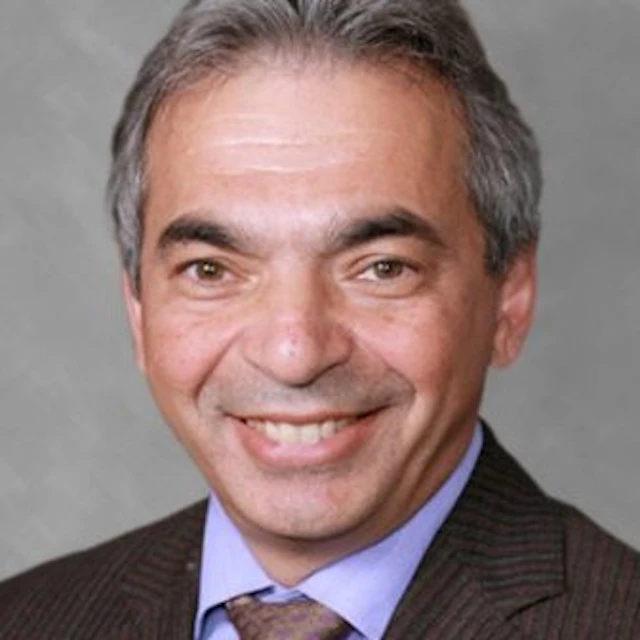
Igor Galynker, M.D., Ph.D.

Igor Galynker, M.D.

Beth Israel Hospital/Mount Sinai

Amount awarded
$1,298,476
Focus area
Psychosocial, Clinical Treatment

The Focus Grant

Short-term risk for suicide depends on a variety of factors—which makes it difficult for clinicians to identify patients at risk. Asking patients about suicidal ideation and behavior isn’t enough because people don’t always experience or report suicidal ideation in times of increased risk.

Dr. Galynker has developed a clinical tool called MARIS (Modular Assessment of Risk for Imminent Suicide).  MARIS is a two-part assessment that has data showing it can identify people at immediate risk for suicide. MARIS is unique in that both patient and clinician provide information.

Dr. Galynker will use his Focus Grant to test the effectiveness of MARIS on a large scale. Ninety-six third-year psychiatry residents in the Mount Sinai Mental Health System in New York City will administer MARIS to nearly 2,000 patients.  One month after an initial battery of assessments, participating patients will be re-evaluated and their electronic medical records will be reviewed for suicide attempts and deaths by suicide will be monitored.

If MARIS proves successful, clinicians will be able to identify patients at increased risk for imminent suicide, and tailor their treatment to keep them safe.

More funded research

See all grants →

2026 Early Career Researcher Grant

Analyzing the Impact of Companion Dogs as a Protective Factor for Prevention of Suicidality in Veterans

Leanne Nieforth, Ph.D. · $140,000

2026 Early Career Researcher Grant

Future-Oriented Mental Imagery and Adolescent Suicide Risk

Ki Eun Shin, Ph.D. · $140,000