
AFSP North Carolina
Our NC Chapter was awarded Mid-Size Chapter of the Year for the 4th consecutive year, only made possible by the incredible work, dedication & heart of our volunteers and generosity of our donors & sponsors.
About the AFSP North Carolina Chapter
The American Foundation for Suicide Prevention is a grassroots non-profit, run 99% by our passionate and driven Volunteers like you. Our work focuses on eliminating the loss of life from suicide by delivering innovative prevention programs, educating the public about risk factors & warning signs, raising funds for suicide research and programs, and reaching out to those individuals who have been affected by suicide.
As a part of AFSP’s nationwide network of chapters, we bring together people from all backgrounds who want to prevent suicide in our communities. Our chapter is energized by the families and friends who've lost someone to suicide, by those with Lived Experience, by mental health professionals, clergy, educators, students, community/business leaders, and many others..
Here are some quick links to help you make a difference in your community:
- Join us this fall as we walk Out of the Darkness - learn more about our Out of the Darkness Community Walks and locate a walk near you.
- Volunteer with us - please connect with us by completing a volunteer interest form
- Bring our programs to your community - Virtual programs now available as well. You must be willing to assist your local staff person to manage this program/event locally. - Contact us to bring our programming to you or provide a resource table at your event
In NC, we saw a historic drop in the number of suicides between 2018 and 2019. In 2018, we lost 1,498 and in 2019, we lost 1,367. This translates to 131 lives that were saved. But, we own't stop until that number is zero. This would not be possible without our hardworking volunteers. Please join us as we continue to work to save lives and bring hope to those affected by suicide.
Thank you for being a champion in the fight to #StopSuicide.
Chapter contact
 Maureen Gould Bolger
 Upcoming events and activities
Featured Programs

I've lost someone
You are not alone. Suicide affects millions each year, and thanks to our donors and volunteers—many of whom are loss survivors themselves—we can provide these resources to help you heal.
Supporting diverse communities
AFSP is committed to working with diverse communities, organizations and policy makers to ensure that culturally relevant mental health resources are equitably available across the nation.
It’s Real
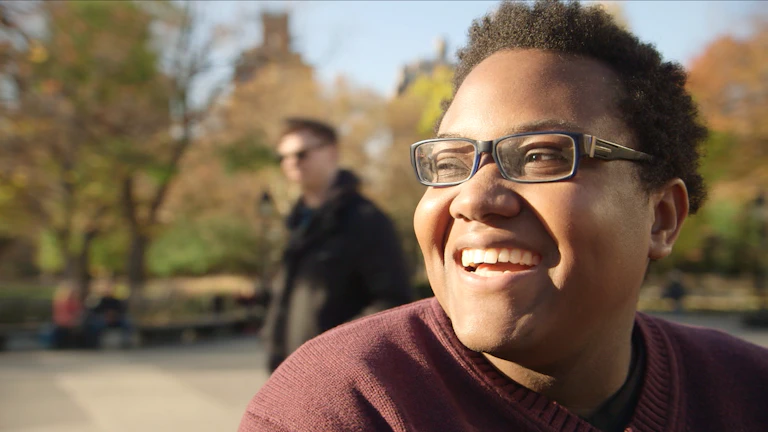
It’s Real: College Students and Mental Health is a documentary featuring the stories of six college students from across the country, with an accompanying facilitator guide to support its use in educational programming.

LGBTQ+ individuals and populations
AFSP supports data collection to better inform LGBTQ suicide prevention strategies and opposes discriminatory and non-affirming practices and policies that create inequities or fail to protect against sexual orientation-based discrimination.
Healing Conversations:
Personal Support for Survivors of Suicide Loss
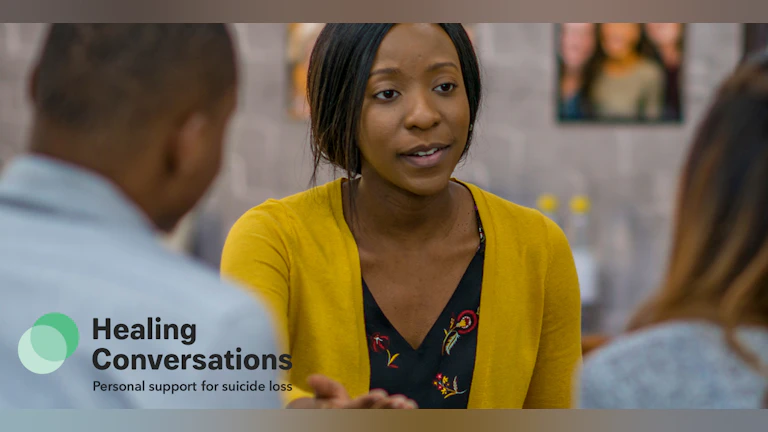
Healing Conversations gives survivors of suicide loss the opportunity to speak with volunteers, who are themselves loss survivors.

International Survivors of Suicide Loss Day
Each year, the American Foundation for Suicide Prevention supports hundreds of large and small events around the world, in which survivors of suicide loss come together to find connection, understanding, and hope through their shared experience.

Community programs
Find a full list of the American Foundation for Suicide Prevention's community programs for suicide prevention
Preventing Suicide in Military Communities
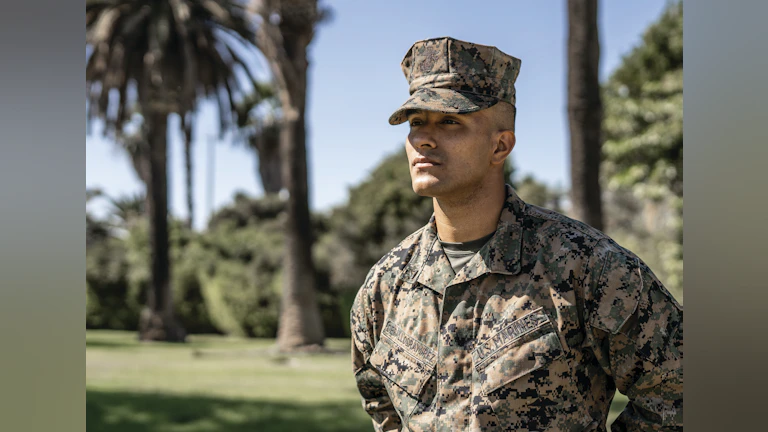
Depression, PTSD, Bipolar, substance use disorder: these and other mental health conditions are serious illnesses, and are serious illnesses that warrant support and treatment. No combat necessary: more than half of military suicides involve soldiers who have never been deployed.

Supporting Your Loved One After a Suicide Attempt
Let your loved one know you care. One of the most powerful things you can do is to be present and supportive. Even when you don’t know what to say, just be with them and listen to their concerns. Let them know their life matters to you.

Healthcare Professionals' Mental Health and Suicide Risk
AFSP is focused on offering evidence-informed programs and resources and supporting public policies to prevent suicide and support healthcare professionals.

AFSP-OSHA Alliance
AFSP and OSHA have joined forces to promote workplace mental health and suicide prevention awareness.

988 Crisis Response System
Call, text, or chat 988 anywhere in the U.S. for a free, confidential, 24/7 caring connection to a national network of state and local crisis contact centers and services.

Impact Insights
Data helps us tell the story of our impact. By listening to our volunteers and participants, we gain valuable insights into how our programs, events, and activities impact communities across the country. Our Impact Spotlight series highlights these stories. Read more about our impact below.
Join the AFSP North Carolina Chapter


Stories and updates
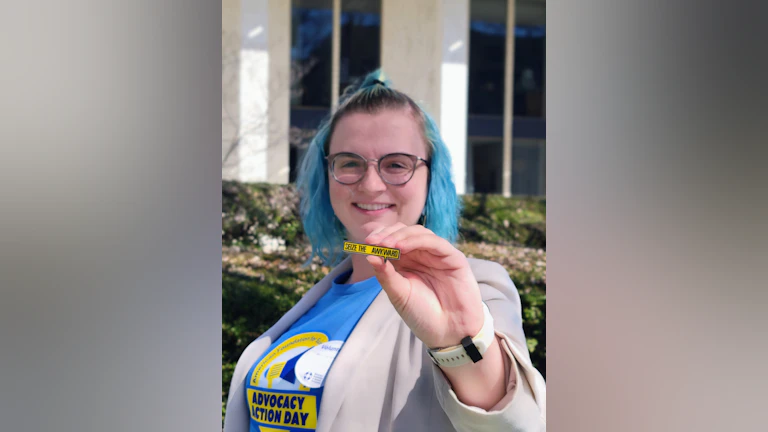
From Spreadsheets to State Capitols: Using Data to Propel Suicide Prevention Advocacy
As the qualitative data intern with AFSP’s national headquarters and a volunteer with the North Carolina Chapter, I not only had the opportunity to attend the North Carolina Advocacy Action Day in 2025, but I also have had the pleasure of conducting qualitative analyses of previous AADs.
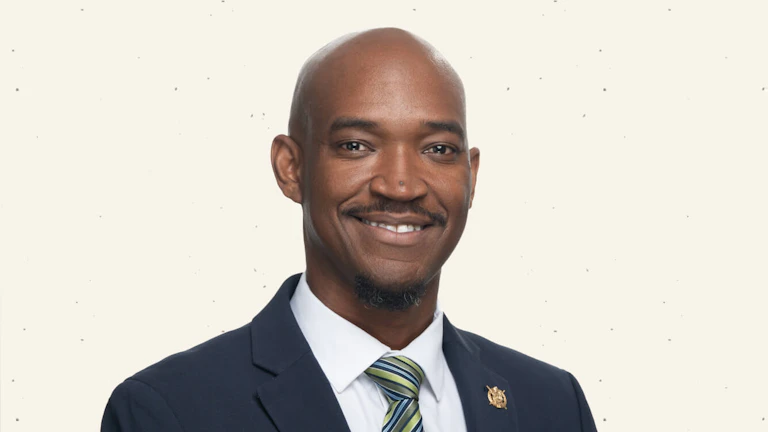
Fulfilling a Calling: Why I Advocate for Suicide Prevention in Black Communities
As an alumnus and member of Omega Psi Phi Fraternity, Inc. — the first international fraternal organization to be founded on a historically Black college campus — Keon has helped forge a partnership between Omega Psi Phi and AFSP, which aims to prioritize mental health and suicide prevention in Black communities.
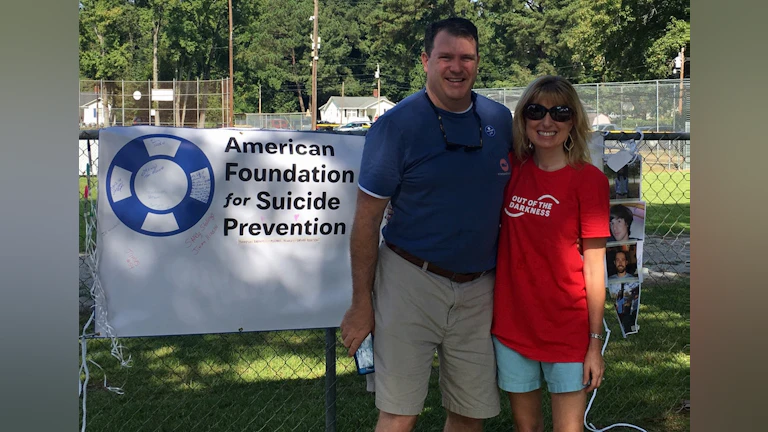
Transforming Loss into Action in the Mental Health Field
Not all mental health professionals receive suicide prevention training in their graduate school programs.

AFSP Applauds Passage of K-12 Suicide Prevention and Mental Health Legislation in NC
The American Foundation for Suicide Prevention (AFSP), the largest suicide prevention organization in the United States, applauds the North Carolina legislature and Governor Cooper for passing and signing Senate Bill 476 into law.
Advocates Urge North Carolina Lawmakers to Expand Suicide Prevention Training in Schools
Suicide is the tenth leading cause of death in the United States, and it is the eleventh leading cause of death in North Carolina.