Research finding · August 2026
Adding another medication after ketamine treatment may extend its effects
Suicidal thoughts are a major driver of emergency and intensive psychiatric care, yet there are still no medications specifically approved to reduce suicidal ideation in people with major depressive disorder. Ketamine has emerged as one of the most promising options because it can lessen suicidal thoughts within hours, much faster than conventional antidepressants. The challenge is that these effects often fade quickly, leaving patients to rely on repeated infusions that can be costly, difficult to access, and time-consuming to maintain. Researchers have therefore been searching for a safe, practical follow-on treatment that could preserve ketamine’s rapid benefits. Because ketamine’s effects may partly involve the brain’s opioid system (i.e., parts of the brain involved in regulating pain, reward, and mood), low-dose buprenorphine, a commonly prescribed treatment for opioid use disorder, has been proposed as one possible way to extend this relief after the initial infusion.
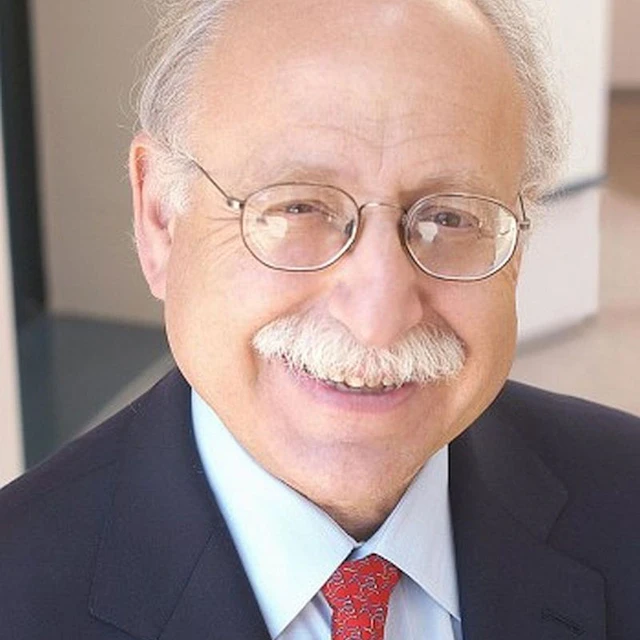
With his AFSP-funded grant, Dr. Alan Schatzberg and colleagues conducted a randomized, double-blind, placebo-controlled trial involving 50 adults with major depressive disorder and suicidal ideation. All participants received one intravenous ketamine infusion, followed two days later by four weeks of either low-dose buprenorphine or placebo; 45 participants completed at least one week of follow-up treatment and were included in the primary analysis.
Suicidal ideation decreased in both groups, but participants receiving buprenorphine showed greater and more sustained improvement, with 78% achieving at least a 50% reduction in suicidal ideation by the end of treatment, compared with 48% of those receiving placebo achieving the same level of reduction. Depression outcomes did not differ significantly between groups, suggesting that suicidal thoughts may respond through pathways that are partly distinct from overall depressive symptoms. No serious treatment-related adverse events occurred. This small, single-site study requires replication before this approach can be adopted more broadly. These early findings point toward a potentially scalable way to extend ketamine’s benefits and provide sustained recovery for people experiencing suicidal thoughts. Read AFSP’s press release about the study.
Citation: Tucciarone, J. M., Bandeira, I. D., Blasey, C., Kratter, I. H., Ehrie, J., Keller, J., Pankow, H., Chang, M., Hawkins, J., Evers, A. G., Bernert, R., DeBattista, C., Truong, H., Rodriguez, C. I., Heifets, B. D., & Schatzberg, A. F. (2026). Low-Dose Buprenorphine Following Ketamine Treatment for Suicidal Ideation in Major Depressive Disorder: A Randomized, Double-Blind, Placebo-Controlled Trial. The American journal of psychiatry, 183(6), 409–419. https://doi.org/10.1176/appi.ajp.20250840
This finding comes from an AFSP-funded study — see the grant below ↓