The Pain Behind the Stethoscope: Preventing Suicide within the Medical Community
September 1, 2026 – 4 min read
By Stefanie Simmons, Chief Medical Officer, Dr. Lorna Breen Foundation
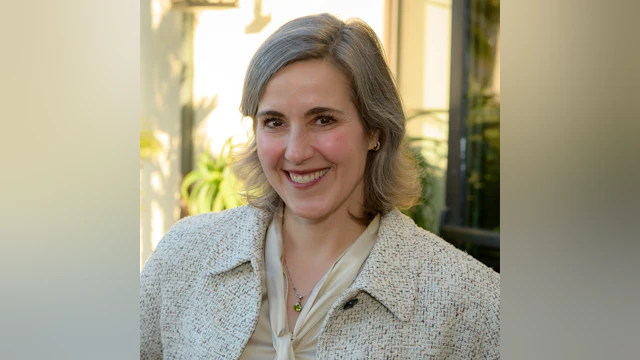
In recognition of National Physician Suicide Awareness Day on September 17, this guest article has been contributed by Stefanie Simmons, Chief Medical Officer of the Dr. Lorna Breen Foundation. To learn more about the Dr. Lorna Breen Foundation, whose mission is to transform systems and culture in order to protect health workers’ wellbeing and mental health, visit their website.
I am a doctor. I trained for years to be the person who stays calm when everything else is falling apart. As an emergency medicine physician, my job is to walk into a room, assess a life-threatening crisis, and fix it. I loved being in the middle of the action; I loved the high-intensity work. But during my medical residency, around the time I gave birth to my second child, I encountered a crisis I didn't know how to fix: my own.
I developed severe peripartum depression.
On the outside, I was a young, ambitious doctor at the top of my game. On the inside, I was struggling to keep my head above water. I was exhausted, isolated, and grappling with a serious neurochemical imbalance while trying to manage the immense stress of working in the ER. And yet, if you had asked me how I was doing, I would have smiled and told you I was "fine."
In medicine, there is an intense pressure to portray perfection. We are the healers; we aren't supposed to be the ones who need healing. But worse than the internal pressure was the external, systemic fear that kept me silent.
As I navigated my depression, I knew I needed help, but I also knew what the "rules" were. I was about to apply for a new job, apply for disability insurance, and submit state medical licensing applications. At the time, hospital credentialing committees and state medical boards routinely asked incredibly intrusive questions about applicants’ mental health histories. The message drummed into me by my teachers and colleagues was terrifyingly clear: having a formal mental health diagnosis or treatment record on your books could ruin your career. You could lose your license, your hospital privileges, and the respect of your peers. I also felt strongly that I shouldn’t lie on my applications, so, I simply did not get help that I would then need to report.
So, I did what so many health workers do when faced with a mental health condition. I suffered in silence. I masked my pain behind my stethoscope and my "perfect physician" projection. Because of my lack of professional care, my experience with depression lasted much longer and was much harder than it ever needed to be. It was a heavy, lonely burden to carry.
But my story didn't end in silence. Eventually, I began opening up to my colleagues and sharing common experiences. I realized that my peers were experiencing struggles, too. Finding words for these challenges and breaking down our collective isolation was the beginning of my healing.
This deeply personal experience forced me to recognize a profound truth: the system was broken, not the health workers. Clinicians are human beings first, and we are not immune to medical conditions like depression. With professional, evidence-based support, mental health conditions are highly treatable. Recovery is not just possible; it is the expected outcome. But we have to make it safe for doctors, nurses, and all health workers to ask for that help.
That realization ignited a fire in me. I transitioned into work focused on clinician experience and wellbeing, determined to change the culture of medicine. Today, I am proud to serve as the Chief Medical Officer for the Dr. Lorna Breen Foundation. We are a national organization transforming systems and culture to protect health workers’ wellbeing and mental health.
A massive part of our work –– and my personal mission –– is removing the structural stigma that kept me from getting care years ago. We are advocating across the country to remove those invasive, stigmatizing mental health questions from state licensing and hospital credentialing applications. We are working to ensure that seeking mental health care is viewed with the exact same routine importance as seeking care for a physical injury.
I use my lived experience now to tell my colleagues what I desperately needed to hear back in residency: Your worth as a human being far exceeds your worth as a clinician. It is okay to say, "I am not okay."
Mental health struggles do not define your capabilities, and asking for help does not make you weak. In fact, true strength lies in vulnerability. We have to extend the same compassion to ourselves that we so freely give to our patients. Healing is possible, and taking that first step to ask for support is the bravest thing you can do.
Learn more about healthcare professionals' mental health and suicide risk here.
Read “Why I Fight: Preventing Physician Suicide, and the Dr. Lorna Breen Health Care Provider Protection Act” by the American Foundation for Suicide Prevention’s Chief Medical Officer, Dr. Christine Yu Moutier, and former AFSP Manager of Federal Policy, Natalie Tietjen.