We All Have a Role to Play in Firearm Suicide Prevention
July 16, 2026 – 3 min read
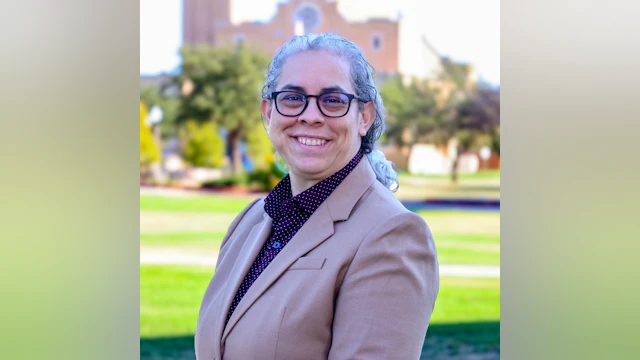
By Frances Arias, American Foundation for Suicide Prevention, Senior Manager, Special Projects
This article originally appeared on the Project ChildSafe website. Project ChildSafe is the nation’s most comprehensive firearm safety and education program, created by gun owners, for gun owners, and promotes secure firearm storage to help prevent access by children, theft, and unauthorized use.
Child safety is a critical part of that responsibility: secure storage helps reduce the risk of unintentional access by children and reinforces a culture of safety in the home. The American Foundation for Suicide Prevention works with Project ChildSafe to develop and distribute educational resources that help firearm owners protect children, families, and anyone who may be at risk during a crisis.
Responsible firearm ownership is a commitment, not a checklist. As a firearm owner and former military spouse, I came to understand early that responsible ownership isn’t just about the firearm. It’s a reflection of how seriously you take the wellbeing of yourself and the people around you. That reflection became deeply personal when I lived through a firearm suicide crisis involving someone I loved. It changed how I show up –– as a firearm owner, and as someone committed to owning my role in firearm suicide prevention.
Suicide is one of the leading causes of death in the United States, and firearms are involved in more than half of all suicide deaths. There is no single cause of suicide, but we know that risk increases when conditions like depression, anxiety, or substance use or misuse go unaddressed –– and when a firearm is easily accessible. We can’t always see a crisis coming, but storing firearms securely every day, not just during difficult times, is the most reliable way to protect ourselves and those around us from suicide. Secure storage creates the space for a crisis to pass and for help to reach someone in time. Research shows that when a chosen method of suicide is not accessible, most people will not move on to another method in a moment of crisis. Suicide is often preventable and we can help to prevent suicide by following secure storage strategies.
There are three straightforward strategies to securing your firearm safely: lock, limit, and temporarily remove. Lock means storing firearms in a locking device such as a safe, unloaded, and with ammunition locked away separately. Limit means reducing access during vulnerable periods –– changing safe combinations, removing keys, or giving access to a trusted person for safekeeping. Temporarily remove means getting firearms or all ammunition out of the home temporarily when someone is going through a hard time, even if you are unsure if they are thinking of suicide or not. I store my own firearms in an electronic lock box, unloaded, and separately from my ammunition. It’s a simple habit, but one I’m intentional about, not just because the research supports it, but because I know firsthand what’s at stake when a firearm is within reach during a moment of crisis.
If you believe someone is thinking about suicide, trust your gut, assume you are the only one who will reach out, and ask them directly if they are thinking about suicide. Research shows that directly asking someone if they’re thinking about suicide won’t put the idea in their head or push them to act on it. In most cases, they'll feel relieved that someone cares enough to bring it up.
You don’t need a mental health background to save a life. Range safety officers, retailers, community educators, coaches, faith leaders, family members –– we all have a role to play. You just need to be willing to have the honest conversation, be aware of mental health and crisis resources and ready to share them, and show up for the people around you.
Firearm safety and suicide prevention aren’t separate issues. They're part of the same commitment to protecting ourselves and the people we care about. Visit afsp.org/firearms to access resources, start conversations, and learn how to help someone who may be at risk.
Frances Arias is the Senior Manager of Special Projects at the American Foundation for Suicide Prevention. Frances primarily works on firearm suicide prevention and suicide prevention in the construction industry and corrections systems. AFSP partners with Project ChildSafe to develop and distribute educational resources focused on secure firearm storage, youth mental health, and suicide prevention.